August 4, 2026

Understanding Next Steps After an Infant Hearing Test Failure

For brand-new parents, finding out that a newborn has a hearing challenge frequently produces immense mental exhaustion. Fortunately, the reassuring perspective dictates that through timely checks and early help, babies with hearing issues can realize great success. Remarkably, such young children can gain language proficiency, interpersonal traits, and lasting relationships in their community, enjoying a

Tinnitus issue

How Stress Affects Tinnitus: Causes, Symptoms, and Relief Strategies

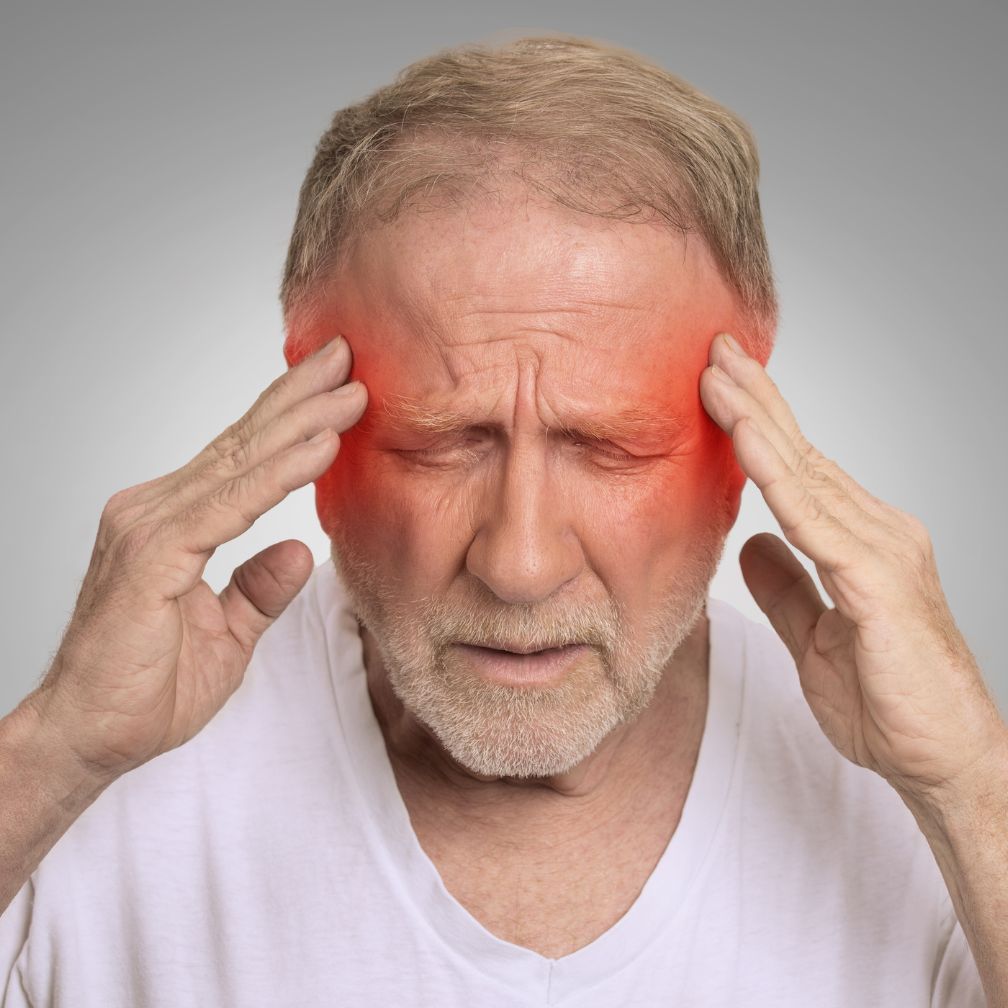
Tinnitus is one of the most widespread hearing-related complaints people deal with. Most describe it as a ringing sound, though it can just as easily show up as buzzing, humming, clicking, roaring, or hissing — noise that isn’t coming from anywhere outside the body. Estimates suggest tens of millions of people in the U.S. will

Ear shape

Why Your Outer Ear Anatomy Matters for Better Hearing

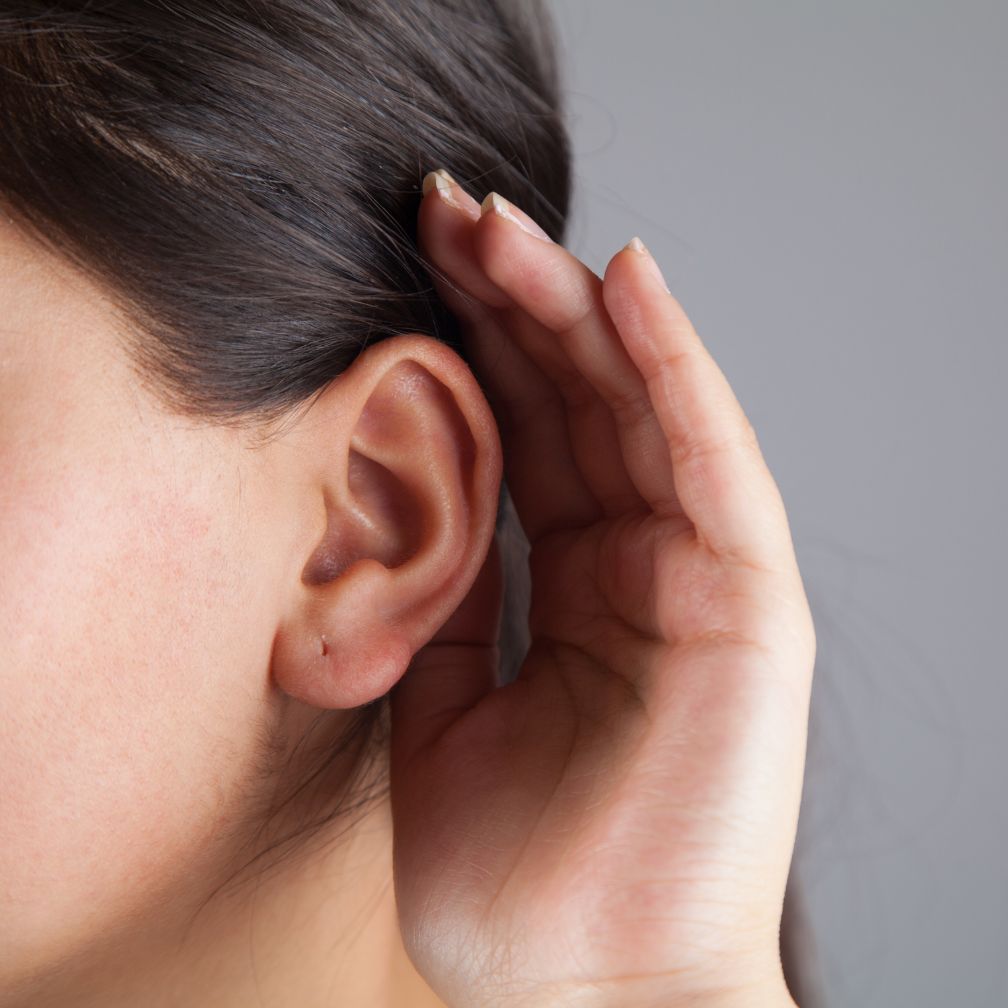
You may have noticed that dogs with floppy ears don’t hear the same way as breeds with upright, pointed ears. Research has shown that ear shape influences how animals capture and localize sound, which is why cats, dogs, and many rodents instinctively rotate their ears to detect sounds from different directions. Humans can’t move their

Is Your Automobile Damaging Your Auditory Health? Car Noise and Hearing Loss Risk

You are deeply attached to your personal vehicle. The independence that driving provides is irreplaceable to you, but could your choice of transport be quietly driving permanent acoustic trauma? Driven by these concerns, let’s explore how transport choices influence long-term wellness. In this analysis, we will investigate the mechanical triggers of vehicle-related hearing loss and

Device adjustment

Can Untreated Hearing Loss Increase the Risk of Depression and Anxiety?

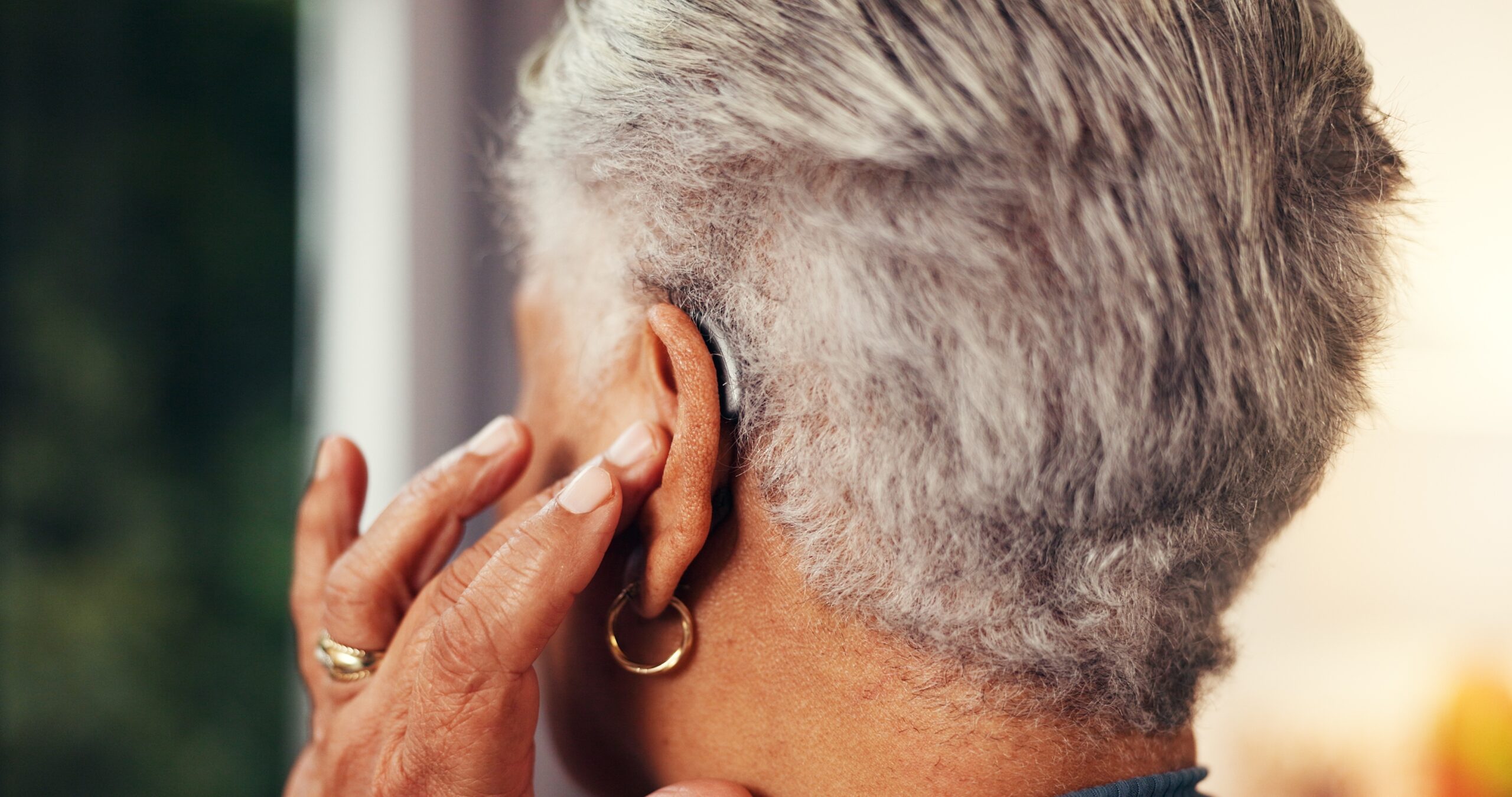
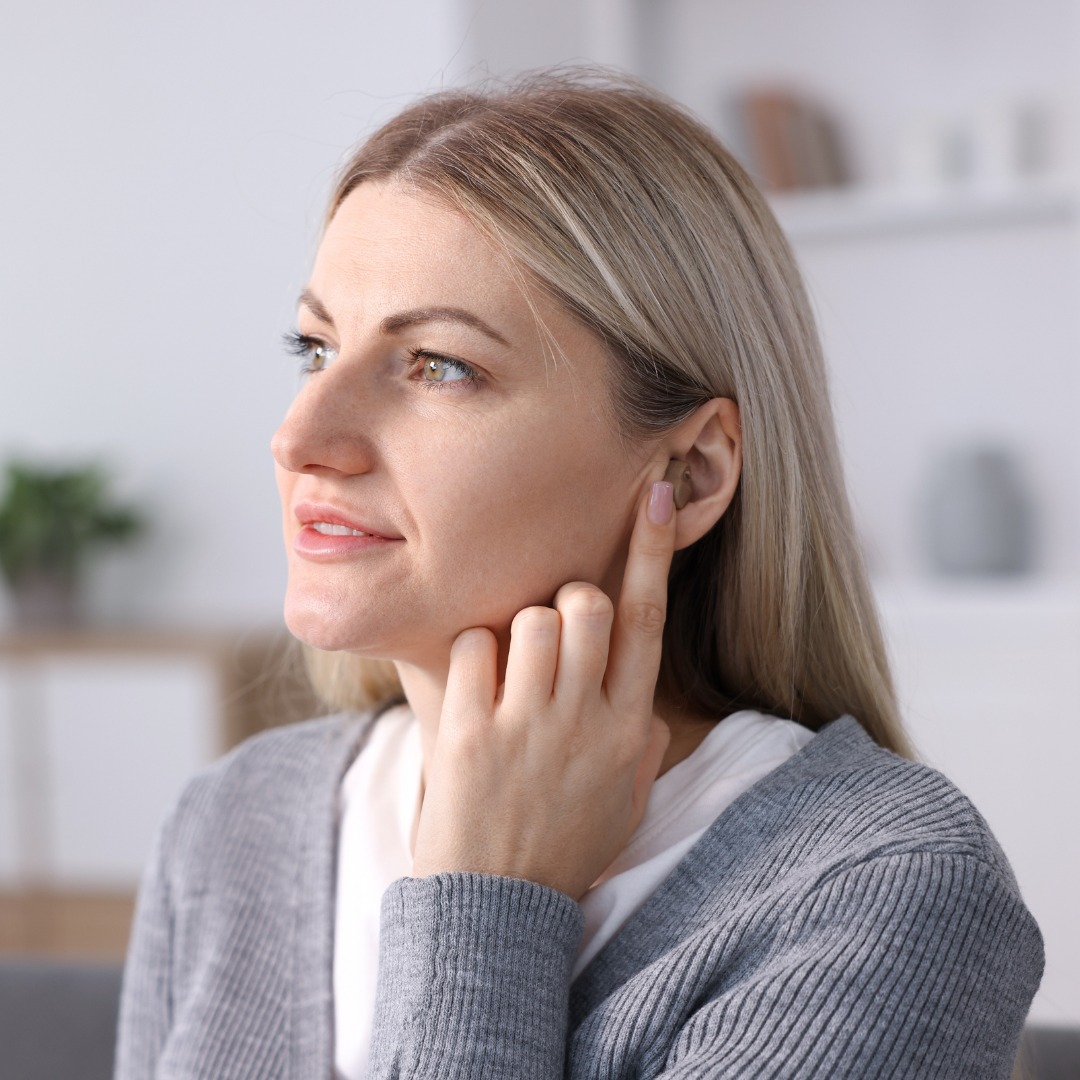
Hearing loss is more than a challenge with hearing sounds clearly. It can affect the way people communicate, connect with others, and participate in everyday life. While the physical effects of hearing loss are often recognized, the emotional and psychological impact is sometimes overlooked. When hearing loss is left untreated, everyday interactions can become increasingly

Perceiving White Noise in Your Ears? Understanding Your Auditory Symptoms

What causes that peculiar, unprompted sound that feels like ambient static or trapped air whispering in your ears? Why does this sound remain entirely imperceptible to the people around you? You are not inventing these symptoms; the sensation is entirely real. Happily, you are likely not suffering from “phantom ring syndrome,” a modern behavioral manifestation

Why Is My Tinnitus Louder at Night?

After enduring a long, exhausting schedule, crawling into bed for restful slumber is all you want. The moment you settle beneath the covers and the household settles into silence, an intrusive phantom noise suddenly commands your full attention. If you perceive your ear ringing to be significantly more intense during late hours, your perception is

Contemporary Hearing Instruments: A Complete Departure From Legacy Devices

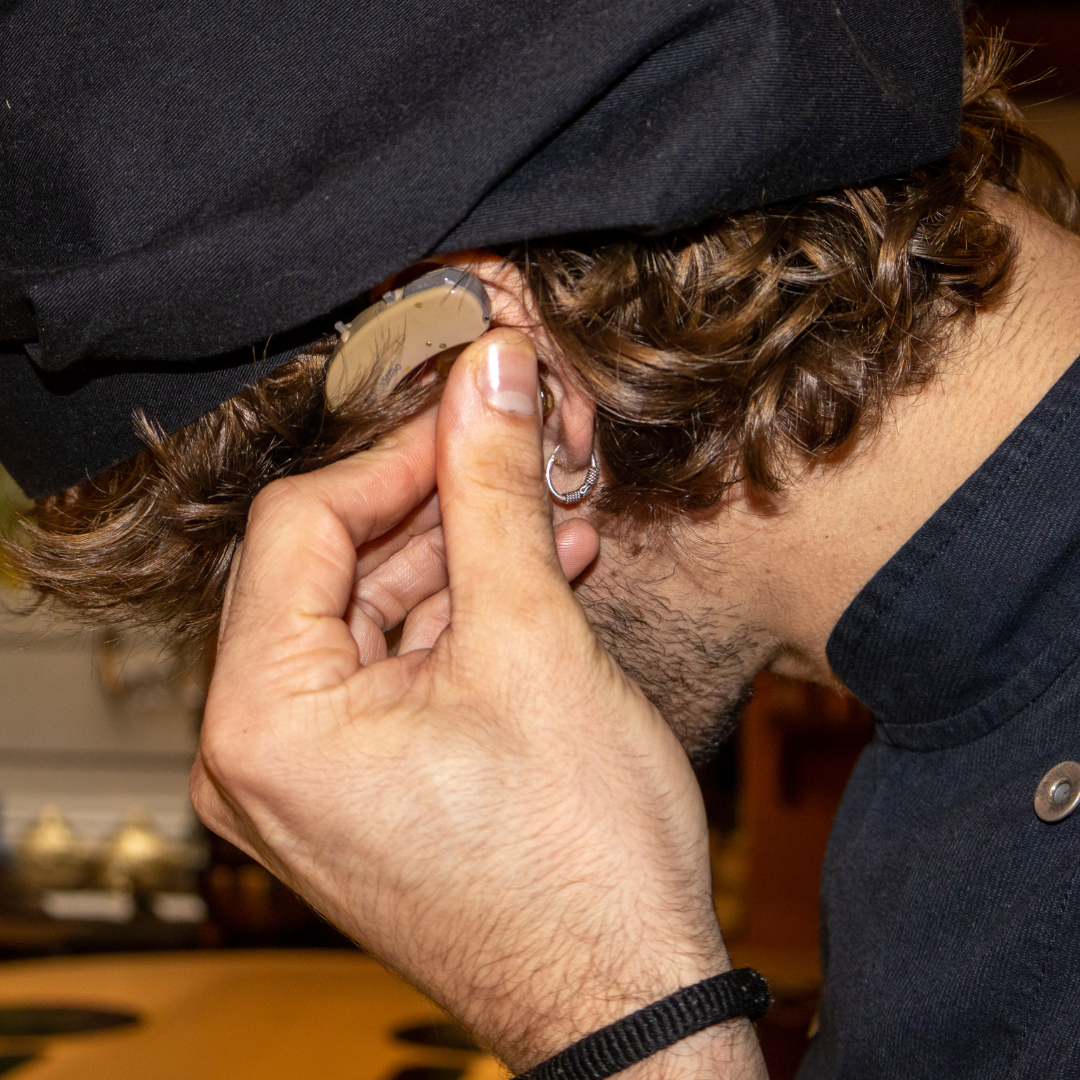
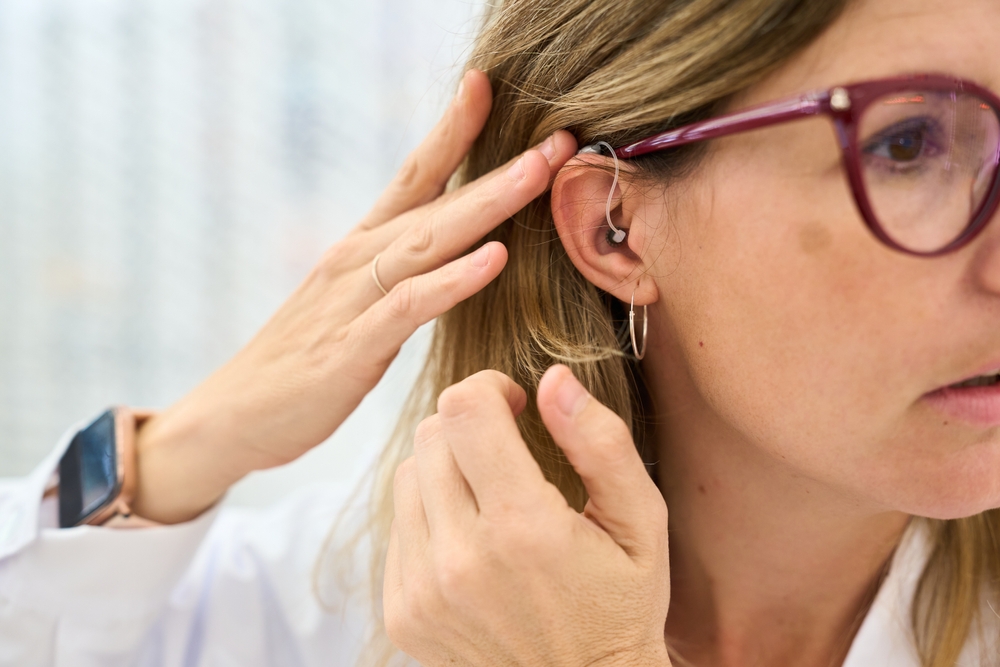
A primary reason individuals put off addressing auditory deficits is the assumption that assistive devices will be unsightly or awkward to wear. Such reluctance is perfectly natural when you consider past technology! Furthermore, many individuals harbored deep anxieties about social isolation, fearing others would exclude them from discussions based on assumptions of cognitive decline or

A Comprehensive Guide to Funding Hearing Aids: Maximizing Benefits and Options

Patients researching therapeutic sound amplification often find that the initial acquisition expense stands out immediately. The total investment fluctuates significantly based on the specific acoustic gain features and the level of personalized audiology care included. Such a capital requirement often surprises families, leading them to prematurely halt their pursuit of better auditory health. The sticker

Evaluating the Auditory Impact of Headphones and In-Ear Monitors

We seldom encounter a teenager or young adult who isn’t currently using a personal audio device. While traditional headphones are more substantial in size, adolescents frequently utilize them to create a private acoustic environment. We all enjoy listening to music, no matter our age, but younger people rely on music to pass the time. Does

Cognitive Auditory Decline: Understanding Brain-Based Hearing Challenges

While common perception dictates that hearing is strictly an otological process, this represents only a fraction of the truth. Clinical evidence shows that auditory processing is a bilateral effort between the peripheral ears and the central nervous system. This term defines the brain’s specialized role in translating raw sound waves into coherent linguistic data. For

Hearing Aids and Cognition: Strengthening the Auditory-Brain Connection<

It is common knowledge that ears detect sound, yet the central nervous system is what truly allows us to hear. Your ears collect sound, but your brain interprets it, turning vibrations into words, meaning, and memories. As hearing loss diminishes input, the brain struggles to maintain a high-fidelity connection to the environment. Prolonged auditory deprivation