
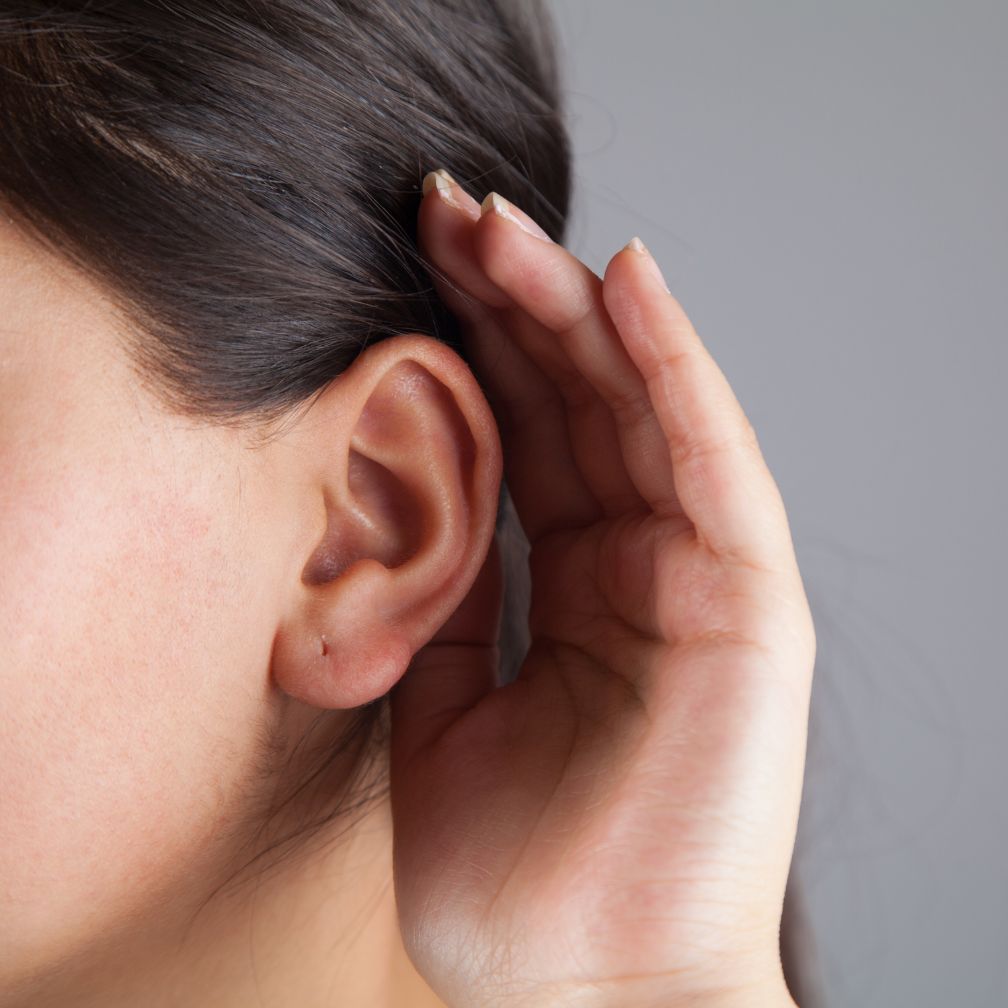
What causes that peculiar, unprompted sound that feels like ambient static or trapped air whispering in your ears? Why does this sound remain entirely imperceptible to the people around you? You are not inventing these symptoms; the sensation is entirely real.
Happily, you are likely not suffering from “phantom ring syndrome,” a modern behavioral manifestation where excessive cellular device users falsely perceive incoming calls, vibrations, or alerts.
More than likely, you are experiencing a very common peripheral vestibular and auditory condition known as tinnitus. Your perception of this sound is completely valid, though you must remain aware that several everyday variables can cause tinnitus to flare up.
You can still hear what people say. Instead, it functions as an omnipresent layer of sensory noise transposed directly on top of your standard daily hearing.
We will examine why this persistent hum occurs, break down its clinical characteristics, and review what steps you can take to successfully alleviate the symptom.
The Root of Tinnitus: Why Your Brain Tracks This Persistent Hum
In the vast majority of medical cases, this persistent internal static is a secondary symptom of sensorineural hearing loss. It’s characterized by a constant or intermittent noise that sounds like it’s on top of what you hear. Based on your specific audiological subtype, the internal static might remain completely unobtrusive throughout your normal routine. Conversely, you may be trapped in a severe cycle where the internal static feels absolutely overwhelming, disrupting your concentration and peace of mind.
Most patients frequently fail to find words that accurately convey their struggle, because this subjective sensory deficit defies the imagination of anyone who has never lived it.
How can this humming noise in my head not be there? The invisible nature of the noise frequently forces individuals to question whether the symptom is purely psychological. How can an invisible sound wave cause such a profound barrier when you are trying to comprehend spoken language from family members? Or sleeping?
Nocturnal Amplification: What Happens When Ambient Sound Drops
Most sufferers quickly realize that their symptoms maximize their disruptive power the moment ambient noise disappears. That’s because the noise you hear in your ears does not have to compete with any other sounds – for example, most people keep their bedrooms completely silent while they sleep at night. They operate without a television background feed, avoid running any radio streams, and eliminate all ambient audio. When you couple that absolute stillness with the reality that you are isolated with your own thoughts, your conscious attention locks directly onto the internal buzzing, creating a fixation cycle that makes the symptoms feel vastly more intense. Regardless of whether your specific symptoms involve low-frequency hums or high-pitched squeals, a perfectly silent evening environment provides the ideal clinical conditions for tinnitus to dominate your focus.
When Tinnitus Mimics Wind, Static, and Alternative Acoustic Textures
Not only is tinnitus hard to explain to someone who doesn’t have it, but this condition can also become complicated when you try to talk to someone else who is suffering from tinnitus. Because their internal audio profile may feature entirely unique pitches or patterns compared to your own, you might mistakenly assume your specific condition has a different medical diagnosis.
But chances are, it is. That’s because tinnitus takes many forms and sounds different to different people. These include, but aren’t limited to, hearing:
- The harsh hiss of old-fashioned television static
- A low-frequency, deep mechanical humming
- An active, vibrating internal buzz resembling an electrical current
- A persistent, thin ringing frequency that cuts through silence
- A blunt, repetitive thumping sequence inside the canal
- Dial tone
Under standard clinical circumstances, you remain the exclusive audience for the subjective white noise generated by your neural pathway errors. Therefore, asking a general practitioner to audibly detect your internal static is a medical impossibility. Instead, your regular physician must depend completely on your personal testimony to chart the condition.
Regrettably, this inability to physically verify the sound often causes individuals to feel isolated by a primary care provider who doesn’t specialize in permanent hearing loss.
To illustrate, an industrial steelworker named Thomas shared his story: “The moment that intense ringing initiated, I consulted my family physician. Although the clinician noted that it was likely a case of tinnitus, he didn’t seem to comprehend how destructive the noise was to my focus.’ He treated the problem as if it were an insubstantial issue that I could easily ignore. He mistakenly believed I could simply choose to ignore the frequency and completely failed to provide any therapeutic pathways or solutions.”
Partnering with a true audiology specialist resolves this sense of isolation, providing you with targeted clinical paths and specialized relief protocols. Frequently, the unique behavior of the phantom frequency serves as an anatomical roadmap, helping your doctor identify the perfect treatment.
Whooshing vs. Ringing: Identifying High-Risk Vascular Anomalies
What makes it even harder to describe this noise to a doctor is the fact that there are so many different ways tinnitus can manifest itself. To specify, if you track a distinct whooshing, rushing, or heavy thumping rhythm that locks perfectly in sync with your cardiovascular heartbeat, you are likely presenting with a specialized variant known as pulsatile tinnitus.
The reassuring reality is that this specific rhythmic variant is highly responsive to medical intervention, as it is generally driven by treatable vascular conditions like high blood pressure or arterial blockages.
Physically, the rushing noise can be created by changes in blood velocity through compromised or compressed pathways in the skull, resulting in an objective bruit. You must prioritize an immediate specialist workup for any pulsing noise, because in specific clinical contexts, that sound warns of a critical cerebrovascular risk that could lead to an unexpected, fatal stroke.
When Your Phantom Noise Is Measurable to an Outside Observer
The reality is undeniable: this persistent head noise is a legitimate, exhausting condition that severely impacts quality of life. While it often can’t be diagnosed, there are rare instances that concern pulsatile tinnitus, where a hearing specialist trained to treat tinnitus can use instruments like a stethoscope to hear what you’re hearing. Remember, this external diagnostic confirmation is exclusively possible within vascular profiles, which occur far less frequently than standard subjective ear ringing.
The Primary Triggers of Tinnitus: Understanding Sensory Damage
The most common cause of tinnitus is a loud noise that you were exposed to over a period of time. This explains why the disorder is highly prevalent among professional musicians, concertgoers, and industrial laborers who operate within loud environments for consecutive hours over several years.
Several specific employment sectors generate high enough decibel baselines to directly induce permanent tinnitus, including:
- Industrial Manufacturing – Spending an eight-hour shift surrounded by heavy mechanical equipment inflicts severe, cumulative strain on your delicate auditory architecture. Compounding the physical decibel load, industrial environments are inherently high-stress, a psychological variable that actively accelerates and worsens central tinnitus perception. For instance, operators positioned near a pneumatic riveter face extreme hazards, as these tools blast over 125 decibels—a threshold capable of inducing instant, irreversible cochlear death and violent tinnitus.}
- Commercial Agriculture – Do not blame your symptoms on a standard rooster call. While a crowing rooster registers at a surprising 90 decibels, contemporary agricultural environments embed machinery that is vastly more destructive to human ears. Industrial tractors, heavy combine harvesters, automated cherry-pickers, and vacuum milking lines generate continuous, extreme noise pollution. Even routine maintenance tasks pose a threat; a standard workshop table saw easily exceeds 85 decibels, a level that permanently damages hearing cells over a long timeline of exposure.}
- Aviation Professionals – An active jet engine unleashes an incredible 140 decibels of sound energy, even when measured from a distance of 100 feet. Although commercial and private pilots routinely utilize specialized noise-attenuating headsets, operators of smaller aircraft sit in extreme proximity to these power plants. Standard consumer ear protection simply lacks the acoustic blocking power to completely nullify this deep structural vibration, meaning those hundreds of flight hours logged over a career slowly and steadily chip away at your baseline hearing.}
- Highway Patrol Operators – While millions ride motorcycles for recreation, any professional assignment that requires operating a high-displacement bike for an entire shift places you at extreme risk for occupational hearing loss and secondary tinnitus. The identical acoustic risk applies to the prolonged operation of snowmobiles or commercial jet skis—though very few workers ride these vehicles for a living unless they occupy a highly unique and exciting role in outdoor law enforcement.}
- Nightlife and Hospitality Personnel – To fulfill your duties, you must accurately capture a patron’s drink order from across a crowded room. However, the ambient acoustics in modern nightclubs are set so high that discerning speech becomes a massive physical struggle, forcing your auditory cortex to work overtime against a wall of sound. If the venue hosts a live band or high-powered subwoofers, your inner ear suffers the exact same structural trauma experienced by the musicians on stage.}
Across every single one of these vocational examples, the microscopic stereocilia (hair cells) inside your cochlea were physically damaged by prolonged high-decibel exposure. These delicate cellular structures are responsible for converting physical sound vibrations into electrical signals that the brain can decode into meaningful language. Tragically, unlike your skin or bone tissue, these specialized sensory receptors lack the biological capacity to regenerate or repair themselves, leaving you with permanent deficits and a distorted auditory perspective.
Everyday Variables That Can Cause Your Ear Ringing to Flare
On top of sound exposure, certain environmental and health factors can make the white noise in your ear worse.
- Mental Health Challenges – Living with generalized anxiety or depression creates a highly frustrating catch-22 scenario. The moment your stress or mood drops, your neurological sensitivity to the ear ringing spikes, which immediately causes your psychological distress to worsen in response.}
- Not Listening to Your Ears – Your ears become uncomfortable when sound is too loud. Don’t just grin and bear it – take care of your ears, because they’re the only ones you’ve got.}
- High Blood Pressure – Letting your blood pressure get out of control may cut the oxygen off to your inner ear. This may not only make it worse in the short term, but it can increase the damage to your hearing over time.}
- Smoking – That antsy feeling that you get in between cigarettes can worsen symptoms. While the answer may seem like you should have another cigarette, this is only making it worse the longer you smoke because of the impact smoking has on your cardiovascular system.}
- Specific Foods – Many individuals discover that daily caffeine intake and common sugar substitutes serve as direct agitators for their ear static. By keeping a meticulous food journal, you can cross-reference what you consume with the loudness of your symptoms to pinpoint exactly which items are worsening your condition.}
- Toxic Relationships – Spending time around highly negative or stressful individuals can actively exacerbate your tinnitus by driving up your blood pressure, anxiety, and depression. You must critically evaluate relationships that introduce chronic emotional friction, deciding if those interactions are worth sacrificing your physical hearing health. Keep in mind that while you possess zero power to alter another person’s personality, you retain full authority to limit your exposure to them.}
- Pregnancy – About a third of pregnant women experience tinnitus symptoms, which are often brought on by changes in their hormones and blood pressure, among other reasons.}
- Impacted Cerumen – A dense accumulation of earwax pressing directly against the tympanic membrane can distort sound and generate bizarre phantom noises. Securing a professional microsuction or debridement procedure to clear the wax can, in many instances, instantly eliminate the ringing.}
- Ototoxic Pharmaceuticals – A wide array of medications, including specific opiates, broad-spectrum antibiotics, loop diuretics, chemotherapy regimens, and even common over-the-counter NSAID painkillers, carry documented ototoxic side effects. It is highly recommended that you consult both an audiologist and your primary physician to thoroughly evaluate your current drug profile for ear risks.}
What Treatments Actually Work? Navigating Your Rehabilitation Choices
Your first step should always involve addressing any concurrent medical concerns with a primary care provider. Specific systemic disorders significantly worsen your internal noise levels, particularly unmanaged anxiety and high blood pressure.
Following the successful treatment of any underlying physical diseases, you can pivot to advanced symptom-management strategies. Proven management modalities encompass choices such as:
- Relaxation Practices – Engaging in deep meditation, mindfulness yoga, or low-impact exercise can significantly downregulate your body’s fight-or-flight triggers. Cultivating healthy, substance-free coping mechanisms for life’s pressures is a discipline few people acquire during childhood or standard schooling. Nevertheless, thousands of individuals choose to master these tools later in life because they are highly effective at quieting the internal static.}
- Nocturnal Audio Camouflage – Utilizing soft, steady background static while you rest offers instant relief by reducing the contrast of the internal ringing. Make sure you never make the mistake of trying to completely submerge the symptom with loud earbuds or high-decibel environmental noise. That counterproductive habit will only accelerate your permanent hearing loss and increase the intensity of your symptoms as time goes on.}
- A hearing aid, which can be set to cancel the sound. Hearing aids today have advanced features like tinnitus cancellation. They can be programmed during the hearing aid fitting to emit a sound that cancels out the specific tone you hear.}
- Habituation Therapy – This specialized audiological protocol utilizes sound therapy to systematically retrain your central nervous system to ignore the internal static. An experienced clinician will introduce a carefully calibrated audio signal into your canal that mimics your subjective tinnitus frequency. Over time, this targeted exposure teaches your cognitive filters to view the noise as meaningless background data, allowing you to focus effortlessly on external speech.}
- Cognitive Behavioral Therapy (CBT). This is a technique used by mental health professionals to undo harmful habits. If you obsess about negative news or life events you can’t control, CBT can help. It will retrain you to focus on the positive and where you do have the power to change things. This helps reduce stress.}
Can Ambient Static Completely Eliminate Chronic Ear Ringing?
You might wonder if the concept of fighting fire with fire applies to your ears, specifically using physical white noise to fight phantom white noise. Recent audiological research out of England notes that while consistent sound therapy effectively reduces symptom awareness, it cannot stand alone and must be paired with secondary clinical treatments.
To be perfectly transparent, there is at present no definitive medical cure for chronic sensorineural tinnitus; rather, science offers a variety of highly effective management strategies to suppress your awareness of the noise.
So what else can you do to treat your tinnitus? Your absolute highest priority should be to secure a professional hearing evaluation from an expert. This essential baseline test will reveal exactly how much the internal static is degrading your word recognition score and speech comprehension during daily conversation. Once your baseline numbers are established, you can safely evaluate cutting-edge therapeutic protocols with a team of trusted local experts.
What if I hear music in white noise? Or voices or other things?
This probably isn’t tinnitus. Furthermore, you can immediately set aside any panic or anxiety regarding your mental health; this experience is absolutely not a sign of schizophrenia or a severe psychiatric disorder. The most likely cause is Musical Ear Syndrome, apophenia, or audio pareidolia. These illusions occur because your central nervous system relies heavily on advanced pattern recognition to constantly organize and decode ambiguous environmental noise. In a sensory vacuum, your neural loops can inadvertently misinterpret raw frequencies, creating an elaborate acoustic illusion. To define it simply, auditory pareidolia occurs when your brain takes random, chaotic noise fragments and forces them into a recognizable template from your memory, such as a familiar song. That said, if you hear detailed instruments or singing when the room around you is perfectly quiet, the symptom is classified as a distinct musical hallucination.