
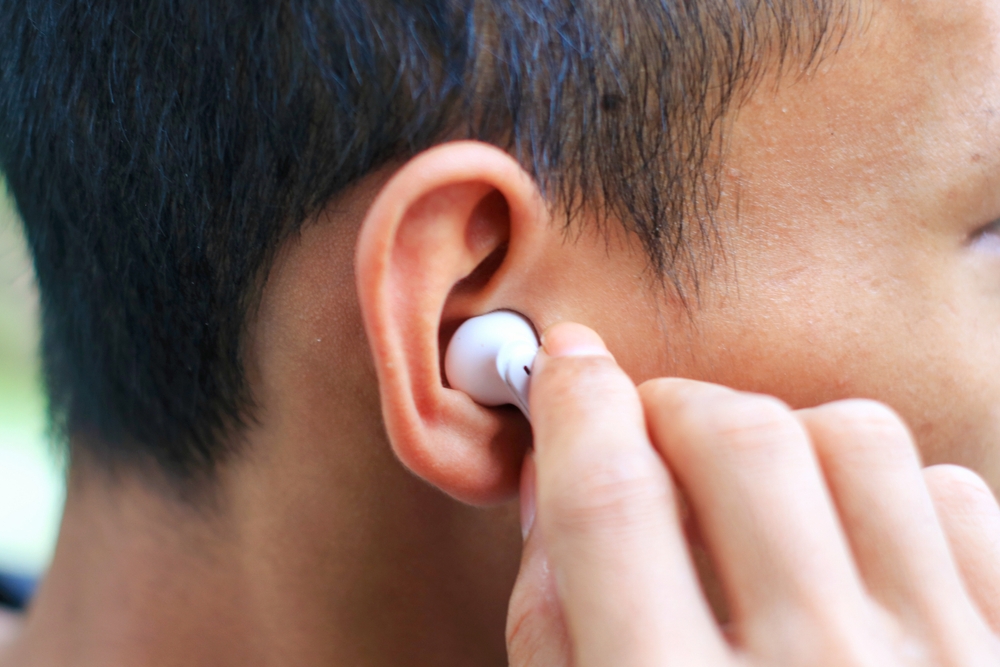
We seldom encounter a teenager or young adult who isn’t currently using a personal audio device. While traditional headphones are more substantial in size, adolescents frequently utilize them to create a private acoustic environment. We all enjoy listening to music, no matter our age, but younger people rely on music to pass the time. Does the immediate physical closeness of these transducers to our ears result in measurable hearing loss? It’s not the device itself, but how we use it.
The Risks of Prolonged High-Decibel Exposure
The psychological impact of music varies, serving to calm the nerves, provide emotional solace, or increase physiological arousal. Depends on the music. Employing in-ear monitors is an effective method for maintaining acoustic privacy in public environments. This is a widely appreciated social habit that helps maintain a respectful atmosphere in shared transport settings.
The essential inquiry remains: at what decibel level and timeframe does listening become dangerous? It is well-established that loud noise, regardless of the source, can compromise your long-term hearing sensitivity. Sustained exposure to extreme volumes can result in irreversible trauma to the auditory nerve. Hearing loss occurs gradually, so by the time you realize what’s happening, it may be too late.
The Key Dangers of Headphones and Earbuds
High volume stands as the most significant threat to the preservation of hearing sensitivity. However, the duration of the exposure matters as much as the volume.
- The National Institutes of Health advises that sounds under 70 decibels are generally safe for the human ear.
- There is a direct correlation between increased sound pressure and the speed of hearing degradation.
- Implement the 60/60 safety protocol by capping volume at 60% and taking a break every 60 minutes.
- Protect your hearing by turning down the volume on your device and limiting your exposure.
Red Flags: When to Suspect Hearing Impairment
Common indicators such as “ringing” in the ears and a recurring inability to understand speech in loud rooms warrant an immediate specialist consultation.
If you suspect a decline in your hearing, contact our office to begin a professional diagnostic process.