
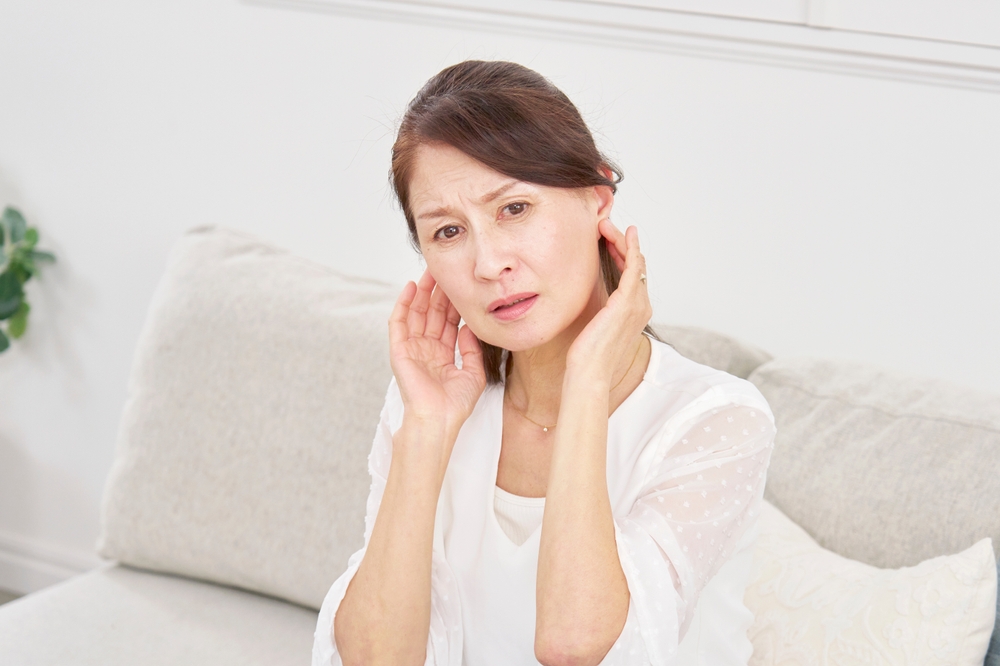
Discovering an unexpected inability to hear after sleep is a deeply alarming scenario. This specific hearing impairment is remarkably rapid, often manifesting without prior warning signs or preliminary symptoms. Certain underlying issues can be transient, yet most forms of sudden loss necessitate an immediate response.
Analyzing the standard reasons behind rapid deafness and knowing when to seek for help is vital for your prognosis. The following guide explores the science of rapid hearing changes, potential triggers, and the necessity of expert clinical care.
Understanding Rapid Auditory Decline
Clinically, sudden hearing loss is categorized as an accelerated reduction in auditory function that occurs within a few hours or up to three days. The issue frequently impacts a single ear, though bilateral loss is possible in rarer cases. Some people notice muffled sound, while others experience a ringing sensation known as tinnitus, fullness in the ear, or difficulty understanding speech.
Identifying Sudden Sensorineural Hearing Loss
It is vital to rule out Sudden Sensorineural Hearing Loss during the initial evaluation phase.
We define this loss as a failure of the inner ear or the complex nerve systems responsible for sound transmission. It often develops without a distinct trigger, but likely factors include:
- Decreased vascular supply to the fragile inner ear structures
- Swelling or immune response
- Infection-based auditory damage
- Neurological factors
Medical experts classify SSHL as an emergency because immediate therapy drastically enhances the chance of a full recovery.
Infection-Based Auditory Loss
Several viruses have the capacity to damage hearing long-term by triggering inflammation in the auditory nerve.
Frequent viral triggers linked to abrupt hearing impairment are:
- Routine upper-airway viral activity
- Influenza
- Herpes-based infections
- Secondary hearing effects following a COVID-19 infection
You may notice hearing shifts as a virus resolves, often coupled with a sense of instability or pressure.
Traumatic Triggers for Hearing Change
Traumatic events such as head strikes, barotrauma, or intense noise exposure can compromise the ear’s fragile anatomy.
Trauma-related causes include:
- Traumatic brain injuries or concussions
- Abrupt shifts in ear canal pressure
- Contact with extremely loud sounds
- Inner ear fluid disruption
Auditory symptoms that follow even a minor head or ear injury require a specialist review.
Conductive Blockages: The Role of Earwax
Impacted earwax, while easily treated, can mimic the symptoms of critical sudden hearing conditions.
Symptoms of impacted cerumen typically:
- Develop quickly
- Present as a persistent internal pressure
- Primarily impact one ear
- Resolve once the blockage is safely removed
It is essential to remember that home evaluation is inadequate for determining the true source of sudden deafness. This diagnostic ambiguity is why immediate professional testing is so important.
Less Common Drivers of Sudden Hearing Impairment
Alternative factors that might trigger an abrupt change in hearing involve:
- Medication side effects
- Vascular irregularities in the hearing system
- Systemic autoimmune attacks on the cochlea
- Acoustic neuromas or similar rare tumors
Undergoing a full hearing workup is the only way to accurately identify or dismiss these factors.
The Critical Importance of Immediate Intervention
The most vital takeaway regarding rapid hearing changes is to avoid a wait and see approach.
Seeking a swift clinical assessment allows you to:
- Determine if the hearing loss is medically reversible
- Boost the effectiveness of treatment
- Stop further hearing damage
- Limit long-term communication challenges
Professional audiological assessments are essential in identifying the specific nature of the loss and directing treatment.
When to Seek Immediate Help for Sudden Hearing Loss
Immediate clinical attention is needed if any of the following symptoms manifest:
- A rapid drop in auditory clarity in one or both sides
- A loss of hearing accompanied by dizziness or lack of coordination
- A sudden sensation of ringing or intense aural pressure
- Hearing loss after illness or injury
Though your hearing may seem to recover partially, a professional check-up is still vital for a full diagnosis.
Rapid Diagnostics for Auditory Clarity
Modern testing quickly identifies the specific category of the loss, such as:
- Conductive in nature, often caused by mechanical obstructions
- Nerve-based or related to inner ear damage
- Likely to be short-term or a chronic impairment
Swift testing is the foundation for timely medical action and superior long-term results.
Prioritizing Your Auditory Health and Peace of Mind
Sudden hearing loss is bound to feel alarming, but the sooner you seek care, the more options you may have to address it.
Upon noticing an unexpected change in your hearing, getting a professional evaluation can protect your hearing health and your peace of mind. Our expert staff is ready to assist you: Please contact our clinic immediately for an emergency assessment.