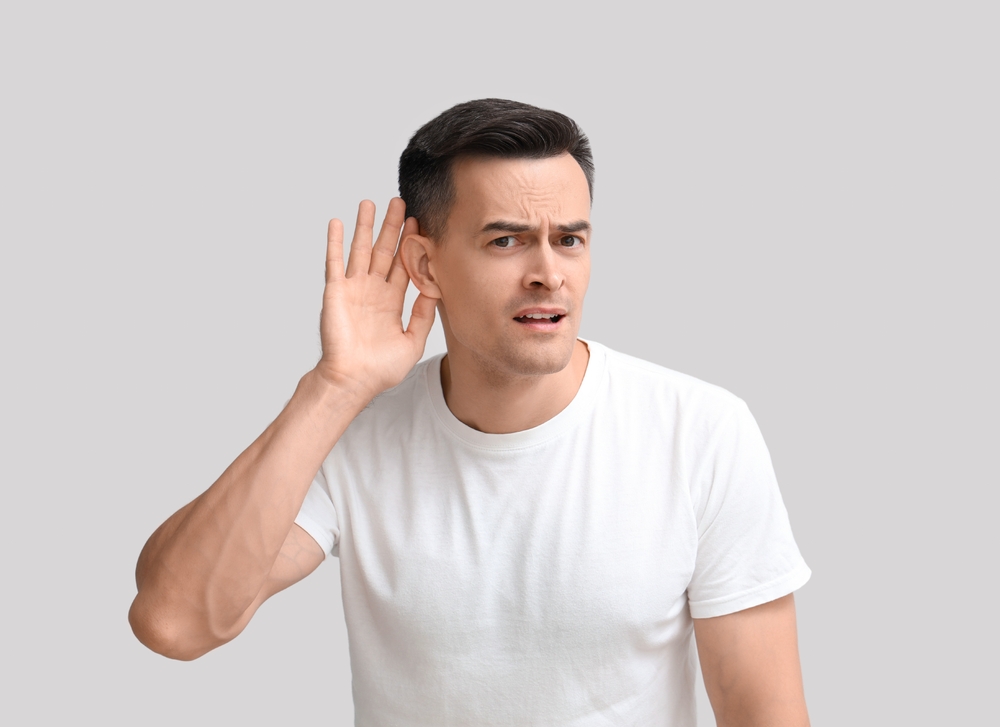
Do you often experience profound mental depletion following extended dialogue or crowded social events?
You might initially blame your exhaustion on general tiredness or a busy lifestyle. It is well-documented that social interaction requires significant energy for introverts and those with sensory integration challenges. Frequently, this specific type of burnout is actually triggered by chronic auditory fatigue.
Auditory fatigue occurs when the central nervous system must expend excessive energy to decode acoustic signals. The brain’s attempt to reconstruct incomplete audio data requires an immense amount of “processing power” and neural energy. Over time, this constant strain can leave you feeling mentally exhausted.
It is common for patients to conflate auditory fatigue with general daily exhaustion. This type of burnout often points toward a functional decline in the auditory system. Only a specialized assessment can isolate the role of hearing loss in your current energy levels. Persistent patterns of post-social exhaustion warrant a discussion regarding the impact of hearing loss.
Why Your Brain Suffers from Auditory Fatigue
Various stressors can overtax the auditory cortex, leading directly to the onset of auditory fatigue.
The Hidden Cost of Ignoring Hearing Loss
The absence of treatment for hearing loss is the most frequent driver of this neurological strain.
If the peripheral auditory system fails to deliver clear data, the brain must use context clues to guess the missing information. This perpetual state of “phonemic guessing” elevates cognitive load and triggers rapid burnout during dialogue.
Auditory Fatigue in Social Settings
Locations with poor acoustics often act as a tipping point for auditory fatigue. Environments with significant background chatter make it difficult for the brain to isolate and prioritize relevant audio signals.
When multiple sounds occur at once, the brain must filter through them to identify the important information. The resulting cognitive overload is particularly severe for those managing even marginal degrees of hearing loss.
How Internal Noise Increases Listening Effort
Tinnitus—the perception of internal ringing—exacerbates fatigue by increasing the sheer volume of data the brain must process.
A distorted acoustic signal acts as a “broken link,” requiring the brain to expend extra energy to fix the data in real-time.
How to Recognize the Onset of Auditory Fatigue
Symptoms of auditory fatigue typically bridge the gap between mental clarity and physical stamina. Typical red flags for this condition include:
- Sense of being “wiped out” after a basic discussion
- Reduced focus during professional or social group settings
- Onset of tension headaches following sustained auditory focus
- A sense of agitation triggered by difficult listening conditions
- A tendency to “tune out” or physically leave social gatherings
- Needing a nap or quiet time after social interaction
Should these signs become habitual, they serve as evidence of excessive cognitive load.
Why Hearing Loss Makes Your Brain Work Harder
Under optimal conditions, the auditory cortex decodes language with minimal neural expenditure. The presence of hearing loss creates a “resource drain,” pulling energy away from memory and logic to help hear speech.
This state of over-exertion is technically referred to as an elevated cognitive load. It’s where the brain redirects energy from other tasks (like memory and focus) to figure out what someone is saying. Over time, this extra effort can leave you feeling mentally depleted. Even short conversations may require more concentration than they should.
Using Clinical Evaluations to Uncover Auditory Strain
Should listening effort compromise your quality of life, a clinical hearing test is the essential diagnostic tool. In the clinic, an expert will assess your ability to detect specific pitches and interpret clear speech. Specialized “speech-in-noise” testing is often used to uncover deficits that are invisible during standard quiet-room exams.
The results of a hearing test provide the roadmap for addressing both the impairment and the resulting burnout. By catching these changes in their infancy, you can implement solutions before they damage your social and professional life.
How Hearing Treatment Reduces Listening Effort
The right hearing treatment acts as a “pressure release valve” for the brain’s processing centers.
Advanced hearing aids utilize AI to sharpen speech signals while simultaneously suppressing irrelevant environmental noise. By delivering a clean signal, these devices eliminate the need for the brain to expend energy on reconstruction.
When listening becomes easier, many people notice improvements in:
- Sustained cognitive stamina during the workday
- Sharper concentration when speaking with others
- Comfort in social settings
As the brain stops struggling to hear, the world of sound becomes a source of joy rather than a source of stress.
Timing Your Audiological Evaluation
Consider booking a hearing test if any of the following rings true:
- Socializing feels like a high-intensity mental workout
- Loved ones notice that you frequently require clarification during talk
- Following a group talk in a restaurant feels nearly impossible
- You avoid social situations because listening feels difficult
Seeking prompt audiological care is the most effective way to reclaim your energy and social confidence.
FAQs About Auditory Fatigue
Auditory Fatigue vs. Hearing Loss: What’s the Difference?
No—fatigue is the “symptom” (burnout), whereas loss is often the “cause” (the impairment). That said, hearing loss remains the primary catalyst for chronic listening burnout.
Will Hearing Devices Fix My Burnout?
Absolutely; by cleaning up the acoustic signal, modern devices take the processing load off the brain.
Is This Exhaustion a Permanent Condition?
With the right treatment, the exhaustion associated with auditory fatigue is often completely reversible.
Stop Feeling Drained After Conversations
You shouldn’t feel exhausted after everyday conversations. If you are suffering from chronic post-social burnout, your auditory system is likely over-exerting itself.
Don’t wait for the burnout to get worse; schedule your audiological check today. Total peace of mind is only possible when you understand the physiological roots of your fatigue.